
Caserandom Cases
A Caserandom case is built for players who want fast CS2-style openings with a clear view of what can drop and how the risk is structured before committing to a spin. The flow is simple: pick a case, review the item pool, open, and decide what to do with the result.
On Caserandom cases, the strongest value comes from structure rather than hype. A good session starts with picking a target (low-cost volume, themed drops, or a high-tier chase), then matching that goal to the right case category and opening pace. The cases area also connects naturally to competitive formats such as battles, where the same sequence of cases is opened head-to-head and the rules decide who takes the total outcome. For Australian players, it helps to keep the experience entertainment-first, set a firm budget in AUD, and treat rare drops as a long-shot bonus rather than an expectation.


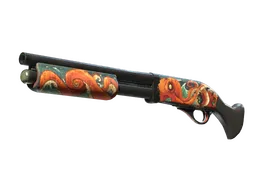
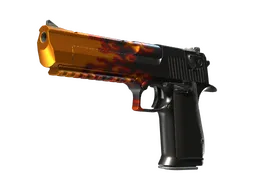
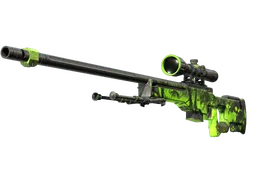
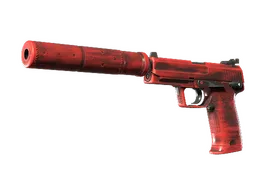
Top drops of the week




Opening Flow in Practice
A Caserandom case open follows a predictable sequence that keeps decisions upfront and outcomes after the roll. That predictability matters because it reduces surprises and keeps the session focused on the item pool and odds rather than guesswork.
- Choose a case and check its item pool preview.
- Review rarity tiers and any special variants shown for that case.
- Confirm the open and let the roll resolve.
- Inspect the result, including wear and any extra attributes shown.
- Keep the item on-platform or request delivery to a Steam inventory when that option is available.
Keeping the flow consistent also makes it easier to manage pace. Opening in short bursts, stopping after a target number of spins, and avoiding “chasing losses” tends to produce a cleaner experience and a more controlled balance curve across a session.
Case Types and Odds
Caserandom cases usually make more sense when the selection is treated like a catalogue: different themes, different price tiers, and different “chase” profiles, all competing for attention. The practical move is to pick a category first, then pick a specific case inside that category.
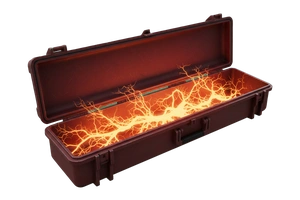
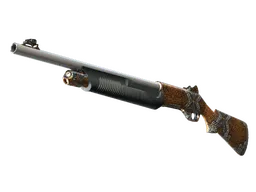

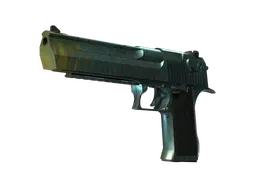
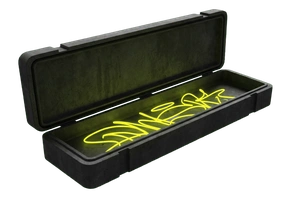

Most case libraries can be grouped into a few familiar buckets. These labels are useful because they describe what the case is trying to do, not just how it looks.
- Budget Cases
- Themed Cases
- Premium Cases
- Creator Cases
- High-Variance Cases
| Rarity Tier | In-Game Colour | Approx. Chance | Rough Frequency |
|---|---|---|---|
| Mil-Spec | Blue | 79.92% | About 4 in 5 |
| Restricted | Purple | 15.98% | About 1 in 6 |
| Classified | Pink | 3.20% | About 1 in 31 |
| Covert | Red | 0.64% | About 1 in 156 |
| Rare Special | Gold | 0.26% | About 1 in 385 |
A Caserandom case choice becomes more rational once those tiers are internalised. If the plan is consistent “hits,” budget and themed options typically feel steadier, while premium and high-variance picks lean into the tiny top-end probability and bigger swings.
Picking a Case With Intent
A Caserandom case is easiest to evaluate when the decision is based on visible content: what items are inside, what the top-end looks like, and how comfortable the session is with landing the common tiers most of the time.
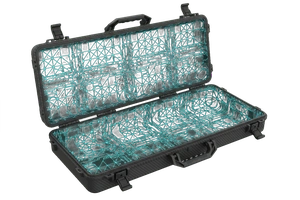
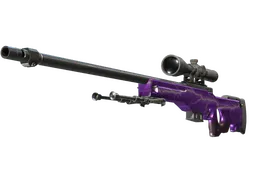
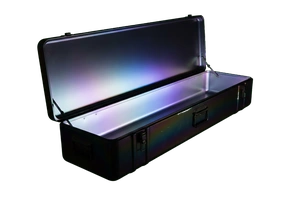

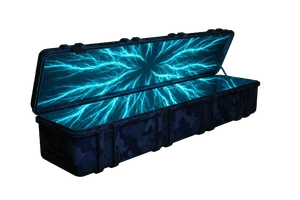


Three checks keep case selection grounded and repeatable. They are simple, but they prevent most frustration that comes from opening the wrong tier for the wrong goal.
- Confirm the item pool matches the goal (specific weapon, collection, or finish style).
- Compare the “middle” outcomes, not just the top chase item.
- For steady pacing, the best Caserandom case is the one where common drops still feel usable for the next decisions, rather than dead weight.
- Set a stop point before opening (spins per session) and stick to it.
| Tier | Base Odds | StatTrak Multiplier | Approx. StatTrak Odds |
|---|---|---|---|
| Mil-Spec | 79.92% | × 10% | 7.99% |
| Restricted | 15.98% | × 10% | 1.60% |
| Classified | 3.20% | × 10% | 0.32% |
| Covert | 0.64% | × 10% | 0.06% |
This is why “top-heavy” cases can feel streaky: the session spends most of its time in the common tiers, and special variants sit behind an additional layer of probability. Treating that math as a baseline keeps expectations realistic and helps the case library feel more transparent.
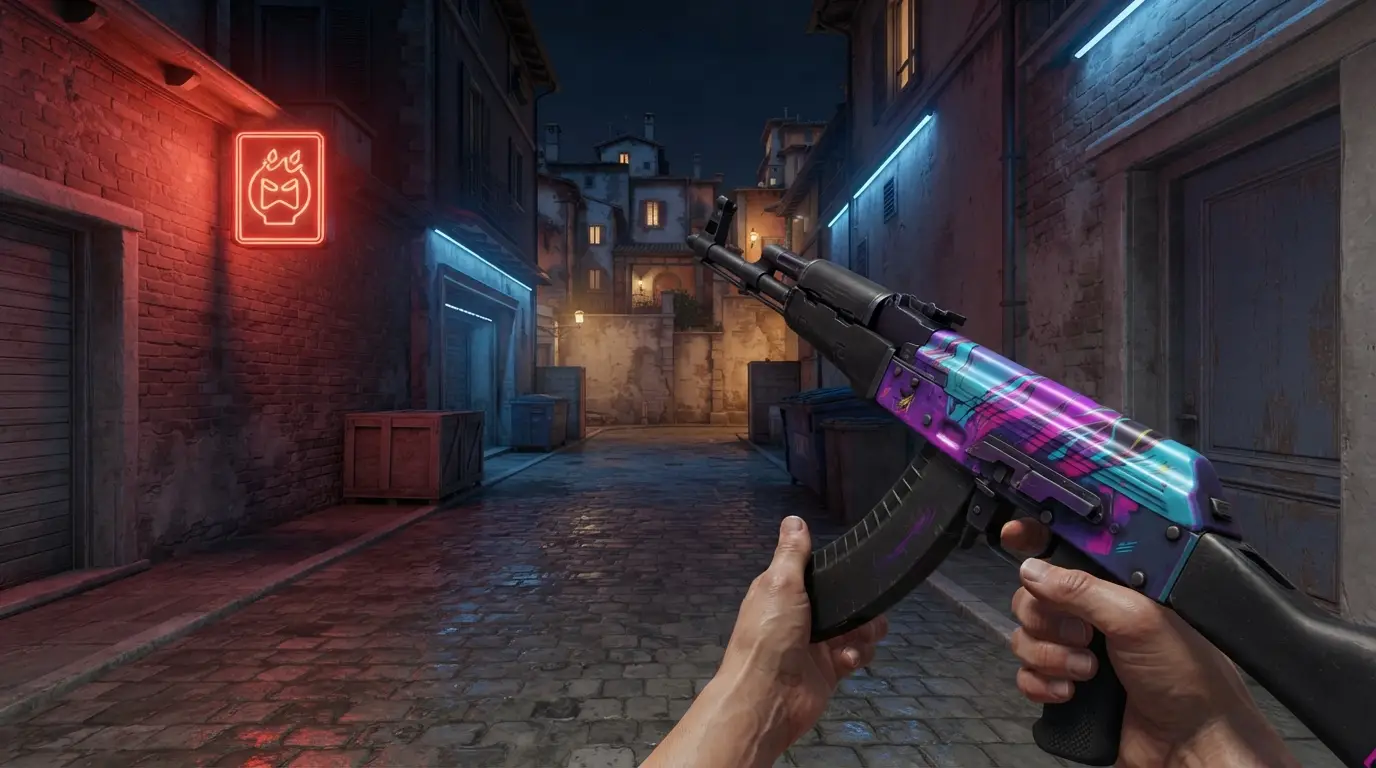
Open cases for rare AWP skins and knives
Case Battles and Variants
Caserandom cases become more social when they are opened through battle formats, because the same sequence is opened for everyone and the win condition is defined before the first spin. The result is a mode that feels closer to a match than a solo roll.
- 5
- 1 228 AUD
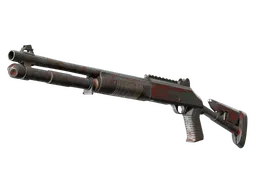
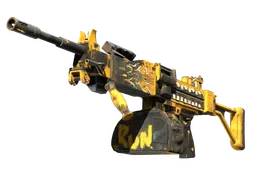


- 6
- 1 477 AUD
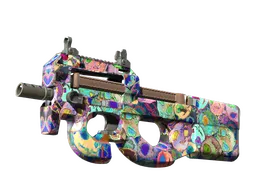

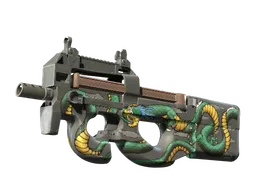


- 4
- 1 294 AUD
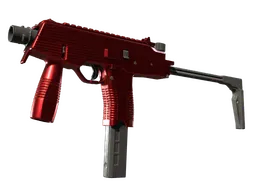
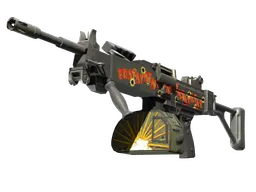
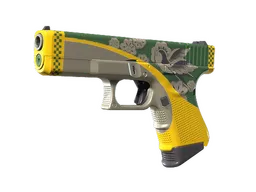

Battle rooms typically differ by player count and by how the winner is calculated. Knowing the format matters because it changes whether the goal is high total value, low total value, or team-based totals.
| Format | Players | How Cases Are Opened | Winner Rule |
|---|---|---|---|
| 1v1 | 2 | Same case sequence for both players | Highest total value wins |
| 2v2 | 4 | Same case sequence for both teams | Team total value wins |
| Free-for-all | 3–4 | Same case sequence for all players | Top total takes the full result |
| Crazy Mode | 2–4 | Same case sequence with inverted scoring | Lowest total value wins |
A Caserandom case selection matters more in battles because it affects variance and tempo for the entire lobby. Mixing one steady case with one high-variance case often creates a round that stays interesting without turning every result into an all-or-nothing swing.
To keep battles consistent, these habits help:
- Choose cases with readable mid-tier outcomes, not only chase items.
- Avoid stacking only high-variance cases when the goal is a stable session.
- Use team formats when a smoother distribution of outcomes feels better.
Fairness Signals to Check
Caserandom cases feel most trustworthy when the platform keeps the “inputs” visible: what can drop, what the rarity structure is, and what verification data is available after the roll. Those signals do not remove variance, but they do make outcomes easier to audit and understand.
Caserandom keeps that experience cleaner when players use basic controls: rotate seeds when a fairness panel is available, review history for individual opens, and avoid impulse sessions that ignore the displayed probabilities. Availability varies by jurisdiction, and the best results come from keeping play 18+ and budget-limited from the first spin.
Before committing to larger sessions, it helps to confirm these points inside the interface:
- Item pool is visible before opening, with clear rarity tiers.
- History view shows each open with verification data when supported.
- Battle rules are displayed before joining a room.
FAQ
Can the item pool be checked before opening?
Yes. The cases interface is designed to show the available items and rarity structure up front, so players can choose a case based on the actual drop pool rather than guessing.
Do case odds change after a win?
Modern case systems use fixed probability tables per case, so outcomes stay consistent from open to open. That keeps expectations stable and makes planning sessions much easier.
Can winnings be moved to a Steam inventory?
Yes. When inventory delivery is enabled, items can be requested for transfer, which helps players treat results as real skins rather than locked-in visuals.
Are case battles worth trying first?
Yes. Battles add a clear win condition and a faster pace, which many players find more engaging than solo openings, especially when playing shorter, budget-capped sessions.
What is the cleanest way to manage risk?
Setting a strict AUD budget, choosing cases with readable mid-tier outcomes, and stopping on schedule keeps the experience controlled while still leaving room for rare drops to feel special.