
Caserandom
Caserandom is a skin-based case-opening platform built around quick rounds, clear item outcomes, and a session flow that stays easy to follow even when the pace ramps up. The homepage experience is designed to get players from sign-in to opening without clutter, while still keeping the key checks visible: what can drop, what a round costs, and what steps are needed before requesting an item delivery.
The Caserandom website works best when it is treated like an organised “lobby” rather than a maze of separate pages. A player typically arrives for three reasons: to open cases with CS2-style pacing, to claim a small daily free reward, or to check whether the platform’s identity signals look solid before committing funds. The practical approach is simple: confirm the brand footprint, understand what the daily mechanics actually do, then pick a low-friction starting path–either a daily spin, a budget case, or a controlled upgrade-style play. Everything else is optimisation: choosing case themes that match preferred collections, using transparent odds context correctly, and keeping cashout steps ready before the first big hit.
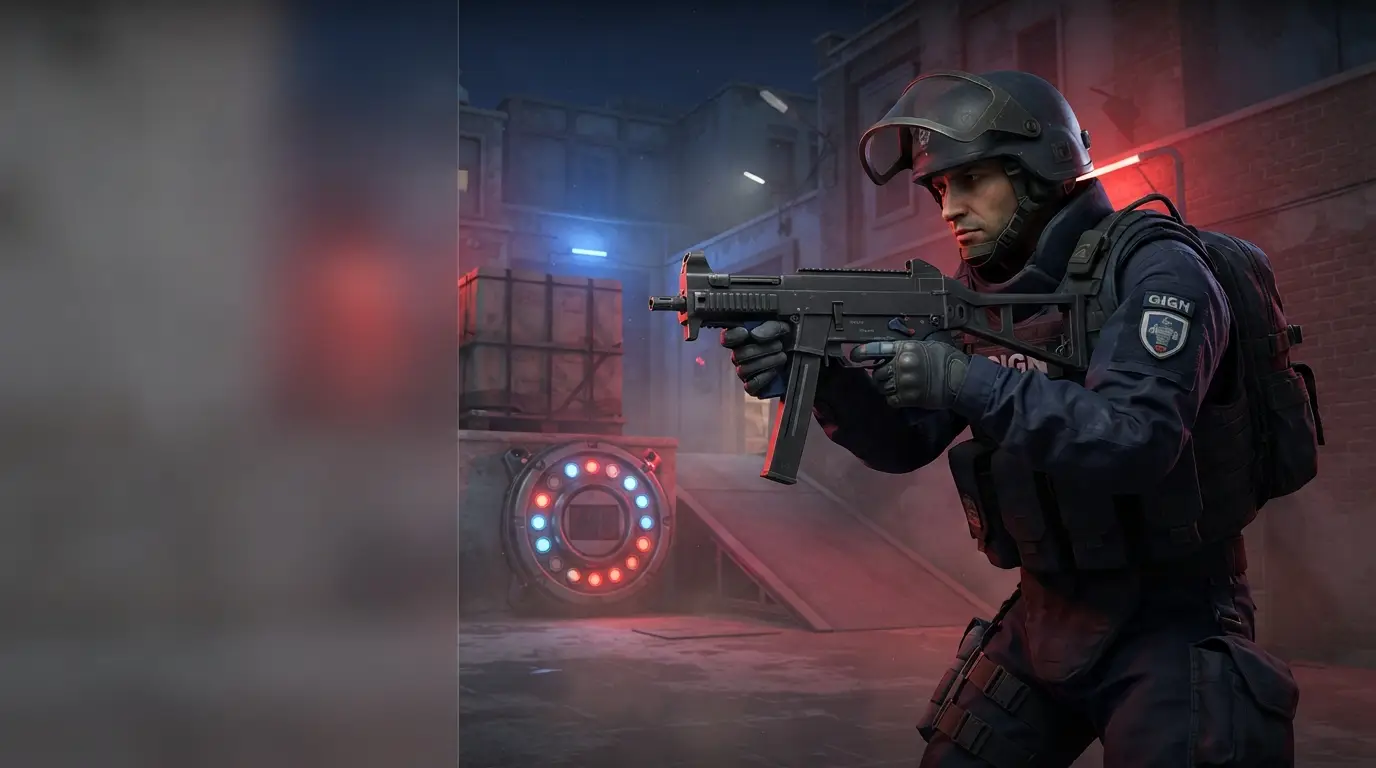
Next drop is soon grab bonuses before time runs out
Brand Footprint and Trust Signals
Caserandom shows an established community footprint that helps players separate a real long-running project from a short-lived clone. One visible signal is the brand’s long-standing presence in the Steam community ecosystem, where the public group history dates back to 7 Aug 2016 and the member base sits well above 50,000. A second signal is trademark registration history, which supports consistency in naming and reduces the “mystery brand” feeling many skin platforms create.
Before any deposit, the quickest trust routine is to check three things: identity continuity, clear rules for item delivery, and whether the platform keeps the core mechanics easy to audit. Identity continuity is not a promise of outcomes, but it does reduce the chance of a platform disappearing overnight. Delivery rules matter because skin platforms often rely on trade-offer style fulfilment, and that workflow has prerequisites. Finally, a platform that keeps steps and conditions readable tends to produce fewer support issues later.
| Metric | Value | Why It Matters |
|---|---|---|
| Steam group founded | 7 Aug 2016 | Shows the brand has existed in the CS ecosystem for years. |
| Members | 52,474 | Public scale indicates ongoing visibility rather than a “fresh” pop-up. |
| In-game | 547 | A live activity indicator, not just a static follower count. |
| Online | 3,123 | Signals that the community still receives regular attention. |
| Primary language | English | Reduces friction for setup, support, and reward mechanics. |
| Field | Value | Notes |
|---|---|---|
| Application ID | m201712227 | Public trademark filing reference. |
| Filing date | 2 Jun 2017 | Early record of brand protection activity. |
| Registration date | 26 Feb 2018 | Shows the filing reached registered status. |
| Registration number | 238841 | Registry identifier for the registered mark. |
| Owner listed | Sterin Viacheslav Leonidovych | Publicly listed applicant/owner name in the record. |
Rewards, Spins, and Referrals
Caserandom has been tied to two retention mechanics that matter on a homepage: referral-style onboarding and a daily free spin flow. Historically, the brand was promoted as a case-opening destination with a referral entry point plus a daily “wheel spin” reward mechanic, which fits the standard CS gambling expectation of low-commitment daily engagement that can be claimed before any deeper play.
For players who prefer a controlled start, the Caserandom site is most efficient when the daily mechanic is treated as a warm-up, not a bankroll plan. The goal is to learn the platform rhythm, confirm that inventory prerequisites are in place, and only then move into higher-variance actions like premium cases or aggressive upgrade attempts. When promotions rotate, the right behaviour is not chasing the biggest banner, but checking the exact eligibility rules and timing windows.
Before claiming daily rewards, it helps to run through a short checklist:
- Confirm the account is fully connected and the inventory visibility settings are in the correct state for item delivery.
- Check whether the daily reward is a spin, a free case, or a small balance credit, because each type has different practical value.
- Review any time-based reset rule so the claim is not wasted by logging in at the wrong moment.
- Keep expectations realistic: daily rewards are designed for engagement, while big hits remain statistically rare.

Caserandom CS2 cases and Case Battles with free bonuses
Players who enjoy structured sessions often set a simple routine: claim the daily reward, open one low-cost case to check pacing, then decide whether to play longer or stop. That approach keeps the platform fun while preventing “tilt opens” that usually happen after a near-miss animation.




Case Types Worth Opening
Caserandom supports a browsing style that works well for players who choose cases by theme and risk level rather than by hype. The most practical approach is to start with cases that have a clear identity–either a specific collection feel or a predictable price tier–so the session remains measurable. Once the platform’s flow feels familiar, it becomes easier to experiment with higher-volatility case pools without losing track of spending.
Caserandom cs2 positioning makes the most sense when case selection is treated like portfolio sizing: a mix of lower-cost “volume” cases for frequent reveals, balanced against a smaller number of high-tier cases aimed at rare special drops. That mix is not a strategy for profit; it is a way to control session variance and keep results readable.
Common case categories that typically match how players browse include:
- Budget cases designed for quick openings and frequent low-tier drops.
- Themed cases built around a specific colour palette or collection vibe.
- Collection-style cases that mirror familiar weapon families and finishes.
- High-tier cases that concentrate value into fewer, rarer outcomes.
Availability varies by jurisdiction, so the best habit is to confirm what is actually visible inside the account before planning a session around a specific case theme.


Games Beyond Simple Openings
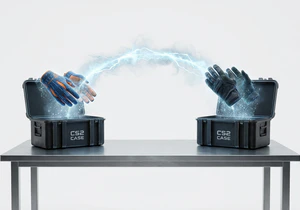
On many skin platforms, Caserandom cs appears as a shorthand label for a broader set of mechanics beyond standard case openings, allowing faster “choice-to-result” loops for players who want more control than a single spin-and-reveal. The key difference is that these modes usually make the risk decision explicit: a player chooses a multiplier target, a win chance, or a head-to-head format instead of relying purely on a case pool.
Caserandom keeps the homepage flow readable when the game section is treated as optional extension, not the default path. A strong session structure is to start with cases, then move to a mode only if the player understands the win condition and the stop points. That is especially true for crash-style mechanics, where the entire outcome depends on timing rather than on a single RNG roll.
In practical community shorthand, cs Caserandom is often used to describe the “full kit” experience: cases plus quick game loops that let players switch between slow suspense openings and faster rounds without leaving the core navigation.
Four mode formats that typically define this section are:
- Upgrade – a chance-based attempt to convert value into a higher-tier item outcome.
- Crash – a multiplier curve where the decision is when to lock the result.
- Roll/Roulette – a simple probability format with clear win conditions per bet type.
- Case Battle – a competitive opening where each participant’s result is revealed in the same round.
Payments, Payout Flow, and Odds Context
Caserandom works best when players prepare the “exit path” before scaling the “entry size.” In practice, that means checking whether an account needs verification steps, setting the correct trade URL for item delivery, and confirming any limits shown in the cashier panel. Doing this early prevents the common scenario where a player hits a good drop and then discovers a missing prerequisite at the worst moment.
For legacy players familiar with CS:GO-style platforms, Caserandom csgo can feel straightforward because the core workflow is the same: fund the balance, open cases or play modes, then request item delivery when ready. The critical difference is that modern platforms often add stricter security and clearer tracking around item fulfilment, so it is worth keeping account recovery and verification tidy from day one.
A clean start usually looks like this:
- Sign in and confirm the account profile is complete enough to use rewards and the cashier.
- Add the correct trade URL so item delivery can be processed without delays.
- Claim the daily spin or any visible onboarding reward before depositing.
- Choose a budget case first to confirm the opening flow and result display.
- Scale into higher tiers only after the session pace and limits are clear.
To keep expectations grounded, it helps to remember that standard case rarity is heavily skewed toward lower tiers. Valve-released rarity distribution figures (originally disclosed for compliance reasons) show how rare “special” items are in the long run.
| Rarity tier | Colour label | Probability | Approx odds |
|---|---|---|---|
| Mil-Spec | Blue | 79.92% | 1 in 1.25 |
| Restricted | Purple | 15.98% | 1 in 6.26 |
| Classified | Pink | 3.20% | 1 in 31.25 |
| Covert | Red | 0.64% | 1 in 156.25 |
| Rare special item | Gold | 0.26% | 1 in 384.62 |
FAQ
Does Caserandom cs2 focus on modern CS drops?
Yes–its core flow matches the fast, visual pacing players expect from modern CS2-style case openings, with daily engagement mechanics that keep sessions easy to start.
Is Caserandom csgo still relevant for older case-opening habits?
Yes–the opening-and-delivery workflow stays familiar for players who learned case sites in the CS:GO era, while the homepage keeps the most important actions close to the lobby.
What does cs Caserandom mean inside the community?
It is a shorthand reference to the full experience around the brand–cases plus quick game loops–used when players talk about the platform’s overall format.
Is csgo Caserandom connected to skin delivery setups?
Yes–like most skin-based platforms, the cleanest experience comes from setting account and trade details early so item fulfilment steps remain smooth later.
Can cs2 Caserandom be used for short daily sessions?
Yes–the daily reward mechanic and quick openings make it easy to jump in, claim a small perk, and stop without needing a long play session.